
description: "Use this Irvine pedestrian accident checklist to protect your health, preserve evidence, and avoid missing California claim deadlines."
author: "Cui Law Group"
date: "2026-05-12"
Irvine Pedestrian Accident Checklist After Being Hit: California Steps, Evidence, and Claim Deadlines
If you were hit by a car in Irvine, get medical help first, report the crash, preserve evidence, and act fast on deadlines. This Irvine pedestrian accident checklist after being hit can help you protect both your health and any California injury claim.
What should you do immediately after being hit by a car in Irvine?
Start with safety. Right away. If you can move, get out of traffic and call 911. Even if you think you are “mostly fine,” get checked by emergency responders or go to urgent care or the ER as soon as possible.
Pedestrian injuries are often worse than they look in the first hour. Adrenaline can hide pain. Head injuries, internal bleeding, fractures, and soft-tissue damage may not fully show up until later. Fast treatment also creates medical records that connect the crash to your injuries, which matters in a claim.
Here is a practical checklist:
Get emergency medical care
Your health comes first. Always. Tell paramedics about every area that hurts, even if it seems minor. If you do not go by ambulance, follow up the same day or as soon as possible.
Medical records and bills are core evidence in a California injury case. They help show what happened, when symptoms began, and how the collision affected you.
Call law enforcement and make a report
Ask for police to come to the scene. A police or crash report can document the date, time, location, driver, witnesses, and initial observations. In California, a proper party in interest can request a crash report through CHP.
Do not assume the driver’s insurance company will tell the story fairly. They often start building defenses early. You need documentation early too.
Get the driver’s information
If you can do it safely, collect:
- Driver’s name
- Contact information
- License plate
- Insurance information
- Vehicle make and model
If the driver worked for a company, note that too. If the vehicle appears to belong to a city, county, or other public entity, that can change the deadline dramatically because Government Code § 911.2 generally requires a written claim within 6 months.
Identify witnesses
Witnesses matter. A lot. Ask for names and phone numbers from anyone who saw the impact, your location, the traffic signal, or the driver’s speed. Memories fade fast. Video disappears even faster.
Say less at the scene
Be polite. Be factual. But do not guess, argue, or apologize. A simple statement like “I was hit and I need medical help” is enough. You do not need to debate fault on the street.
As a general rule, avoid saying you are fine. If you later learn you suffered a concussion or fracture, that early statement can be used against you.
Watch the deadline clock immediately
Most California personal injury cases must be filed within 2 years under Code of Civil Procedure § 335.1. But if a public entity is involved, the timeline may shrink to 6 months under Government Code § 911.2. That is a huge difference.
If you want help understanding the next steps, Cui Law Group handles pedestrian accident matters in Irvine and offers bilingual Chinese-English service for injured people who want clear communication from the start. You can also learn more about the firm’s approach on the about page.
How do you document the crash for a California pedestrian injury claim?
Documentation wins arguments. Or prevents them. The stronger your evidence, the harder it is for an insurer to hide behind excuses or push a lowball offer.
“I tell people this all the time: the case gets built in the first days, not just in the courtroom.”
Take photos and video right away
If you are physically able, photograph:
- The crosswalk or intersection
- Traffic lights and pedestrian signals
- Skid marks
- Debris
- Weather and lighting
- The vehicle
- Your injuries
- Your shoes, clothing, and belongings
Also capture nearby cameras. A gas station, apartment building, store, or home camera may have recorded the impact. Many systems overwrite footage quickly, sometimes within days. That is why preservation needs to happen fast.
Pin down exactly where you were
Location is critical in pedestrian cases. Try to identify whether you were:
- In a marked crosswalk
- In an unmarked crosswalk at an intersection
- Crossing outside a crosswalk
- Walking along the road or shoulder
That matters because California Vehicle Code 21950 and California Vehicle Code 21954 address different pedestrian situations. It also matters for fault arguments, witness statements, and scene reconstruction.
Keep every medical record
Save it all:
- ER records
- Imaging reports
- Follow-up visits
- Physical therapy notes
- Prescriptions
- Bills
- Work restrictions
Do not create gaps in treatment unless a doctor tells you to stop. Insurance adjusters often argue that missed appointments mean you were not badly hurt. That is one of the oldest tricks in the book.
Request the crash report
A police report is not the whole case. But it matters. It may identify the parties, location, witness names, statements, and responding officer’s observations. CHP provides a process for eligible people to request a crash report.
California also maintains crash data through the California Crash Reporting System, or CCRS. That does not replace your own evidence, but it shows how crash records are handled and located in the state.
Write your own timeline
As soon as you can, write down:
- The exact time and place
- What direction you were walking
- The signal color or walk signal
- What the driver did
- What you heard witnesses say
- What pain started immediately and what developed later
Details fade. Fast. A same-day timeline can be powerful months later.
Preserve wage-loss and daily-life evidence
If you missed work, save pay stubs, attendance records, and employer notes. If you cannot walk normally, sleep well, drive, lift, care for your children, or do household tasks, keep a simple daily journal. Under Civil Code § 3333, California tort damages generally aim to compensate for all detriment proximately caused, which can include medical bills, lost wages, future care, and pain and suffering.
For more on injury claims generally, see Cui Law Group’s personal injury page and pedestrian accident page.
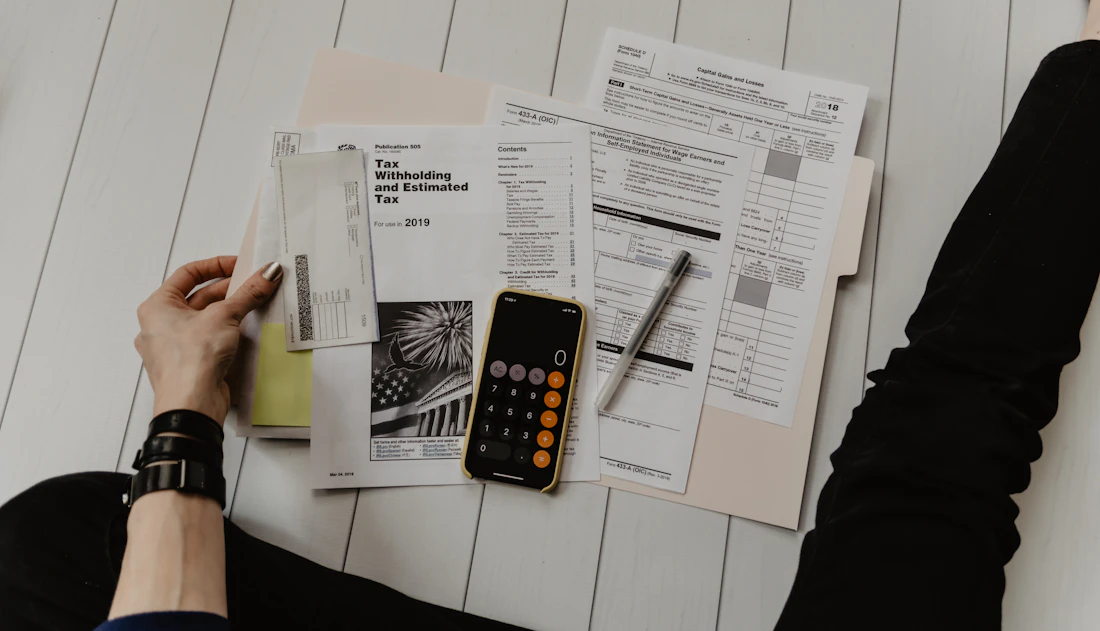
What California laws affect liability after a pedestrian accident?
Several California laws shape who was at fault and why. The big issue is usually negligence, which means failing to use reasonable care.
California Civil Code § 1714
Civil Code § 1714 is the baseline negligence rule. In plain English, people are responsible for injuries caused by a lack of ordinary care. In a pedestrian case, that often means asking whether the driver was attentive, careful, and driving reasonably under the conditions.
A driver does not get a free pass just because they say, “I had the green light.” They still must use due care.
California Vehicle Code 21950
California Vehicle Code 21950 says drivers must yield to pedestrians crossing within a marked crosswalk or an unmarked crosswalk at an intersection. But pedestrians also have duties. A pedestrian cannot suddenly leave the curb and walk into the path of a vehicle so close that the driver cannot reasonably yield.
So this law cuts both ways. It protects pedestrians, but it does not make every crossing dispute automatic.
California Vehicle Code 21954
California Vehicle Code 21954 applies when a pedestrian crosses outside a crosswalk. In that situation, the pedestrian generally must yield to vehicles that are close enough to create an immediate hazard. But the statute also says this does not relieve the driver of the duty to use due care.
That point matters. A lot. Insurance companies often act like being outside a crosswalk ends the case. It does not. The driver may still be liable for inattention, unsafe speed, or failing to keep a proper lookout.
California Vehicle Code 22350
California Vehicle Code 22350 is the basic speed law. It prohibits driving faster than is reasonable or prudent under the conditions, and at a speed that endangers people or property.
That means a driver can be at fault even below the posted limit if traffic, darkness, rain, congestion, or pedestrian activity made the speed unsafe.
Fault is fact-specific
A real Irvine pedestrian case may turn on things like:
- Crosswalk markings
- Signal timing
- Vehicle speed
- Visibility
- Driver distraction
- Road design
- Witness credibility
- Video footage
A hypothetical example: a person crosses outside a crosswalk at dusk. The driver is also looking at a phone and moving too fast for conditions. Under California law, fault may be shared rather than assigned all to one side.
That is why early evidence matters. It is also why many injured people speak with counsel before giving a detailed recorded statement to the insurer. Cui Law Group represents injured pedestrians in Irvine and throughout California, and its bilingual Chinese-English service can help families who prefer to discuss these issues in plain language.
How long do you have to file a pedestrian accident claim in California?
Usually, you have 2 years from the date of injury to file a personal injury lawsuit in California. That rule comes from Code of Civil Procedure § 335.1.
Miss that deadline, and your case may be barred.
The general 2-year rule
For most pedestrian injury claims against a private driver, the filing period is 2 years. That sounds like a long time. It is not. Medical treatment, insurance delays, evidence collection, and negotiations can burn through months quickly.
Waiting also creates proof problems. Witnesses move. Videos get deleted. Memories get weaker.
The shorter deadline for public entities
If the at-fault vehicle was operated by a city, county, or other public entity, the Government Claims Act may apply. Government Code § 911.2 generally requires a written claim within 6 months of the accident.
That is not the same as the normal lawsuit deadline. It is much sooner. If you miss it, your options may narrow sharply.
In Irvine, that issue can come up if the vehicle was connected to a city department, Orange County, public transit, or another government agency.
Other special timing rules can apply
Some claims have different rules. For example, if a claim involves a health-care provider, Code of Civil Procedure § 364 includes a 90-day notice rule. That is not the usual pedestrian-driver case, but it shows why timing should always be reviewed carefully.
Venue is often Orange County for an Irvine crash, especially where the injury happened there or the defendant lives or does business there.
Can you recover damages if you were partly at fault?
Yes. In California, you may still recover damages even if you were partly at fault.
California follows pure comparative negligence under Li v. Yellow Cab Co. (1975). That means fault is divided by percentage, and there is no 50% bar. If you were partly responsible, your recovery may be reduced by your share of fault rather than wiped out entirely.
What that means in practice
Let’s say the evidence shows a pedestrian crossed outside a crosswalk, but the driver was speeding and not watching the road. A jury could assign part of the fault to each side. The pedestrian could still recover compensation, reduced by that percentage.
This is why defense arguments like “you weren’t in the crosswalk, so you get nothing” are often wrong under California law.
What damages may be available
In general, Civil Code § 3333 allows damages that compensate for all detriment proximately caused. In pedestrian cases, that can include:
- Medical bills
- Lost wages
- Future medical care
- Pain and suffering
California generally does not impose a damages cap on ordinary pedestrian personal injury claims. Special caps may apply in other categories, such as medical malpractice, but not usually in a standard pedestrian-versus-car case.
Do not let partial fault stop you from asking questions
Insurance companies love blame-shifting. They point to the crosswalk. Your shoes. The time of day. The signal. Anything they can use to discount the claim.
That does not mean they are right.
If you were hit in Irvine and you are getting pushback, Cui Law Group is focused on pedestrian accident and personal injury claims, with offices in Southern and Northern California and bilingual Chinese-English support. You can read more about contacting the firm on the contact page.
Most personal injury cases are handled on a contingency fee basis — meaning no fee unless we recover for you.
This article is general information, not legal advice. If you want to understand how these California rules may apply to your situation, contact Cui Law Group for a free consultation or call now.
Frequently Asked Questions
What should I do first after a pedestrian accident in Irvine?
Get to safety and seek medical care first. Then call 911, report the crash, gather driver and witness information, and take photos if you can do so safely. Fast medical treatment also helps document the connection between the crash and your injuries.
Do I need a police report after being hit by a car?
A police report is not the only evidence, but it is often important. It may document the location, people involved, witnesses, and initial observations. In California, a proper party in interest can request a crash report through CHP.
How long do I have to sue after a pedestrian accident in California?
In most cases, 2 years from the date of injury under Code of Civil Procedure § 335.1. If a public entity is involved, Government Code § 911.2 generally requires a written claim within 6 months. Shorter or different rules can apply in some situations.
Can I still recover compensation if I was not in a crosswalk?
Yes, potentially. California Vehicle Code 21954 says a pedestrian outside a crosswalk must yield to immediate hazards, but it also does not relieve the driver of the duty to use due care. California’s pure comparative negligence rule means partial fault may reduce recovery, not automatically bar it.
What damages can I claim after being hit by a vehicle?
In general, Civil Code § 3333 allows compensation for all detriment proximately caused. That can include medical bills, lost wages, future care, and pain and suffering. The exact damages depend on the facts, injuries, and evidence in the case.
Free consultation with Cui Law Group
Discuss your case — no obligation, no cost.